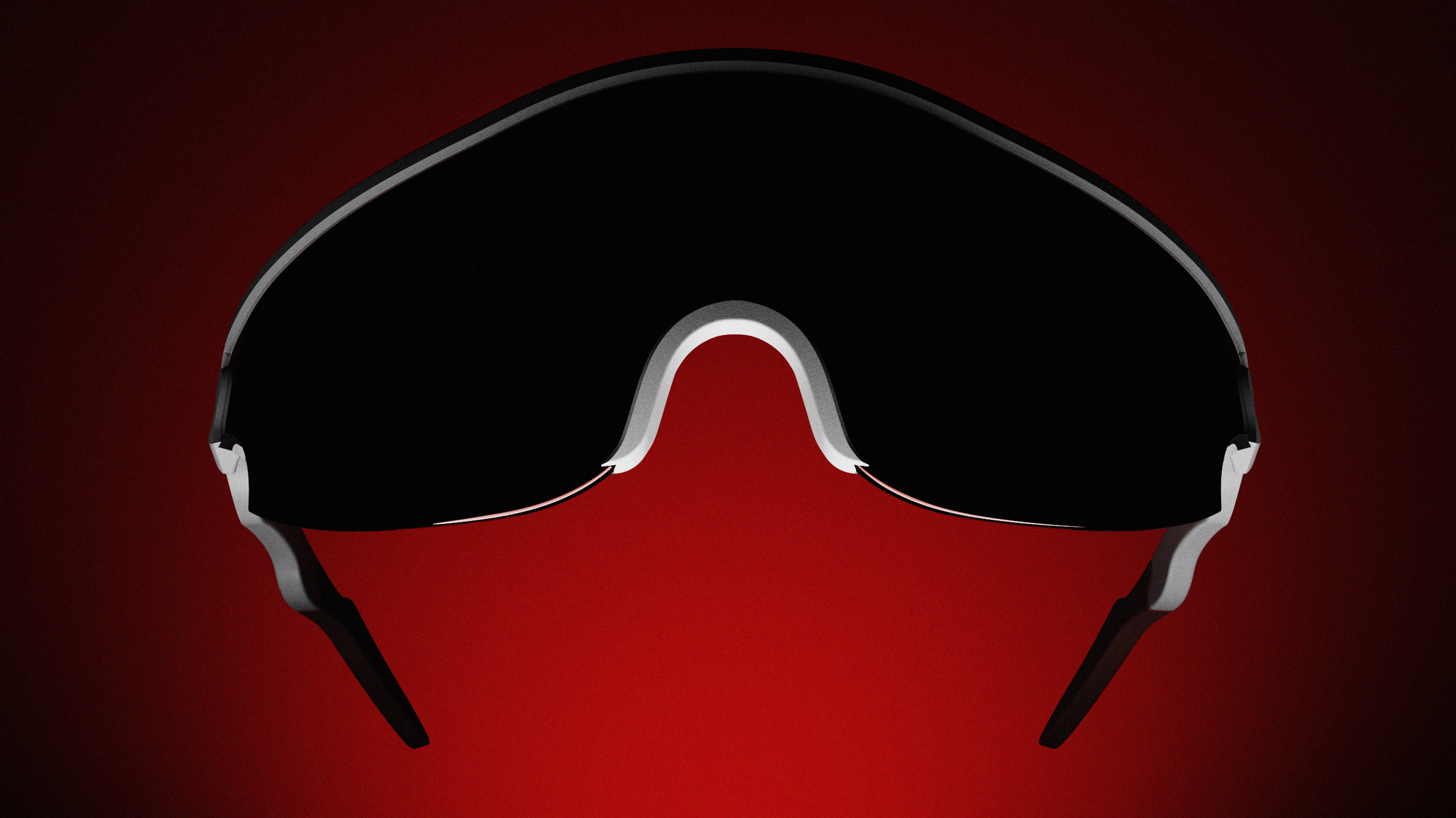
F-ZERO SPORT
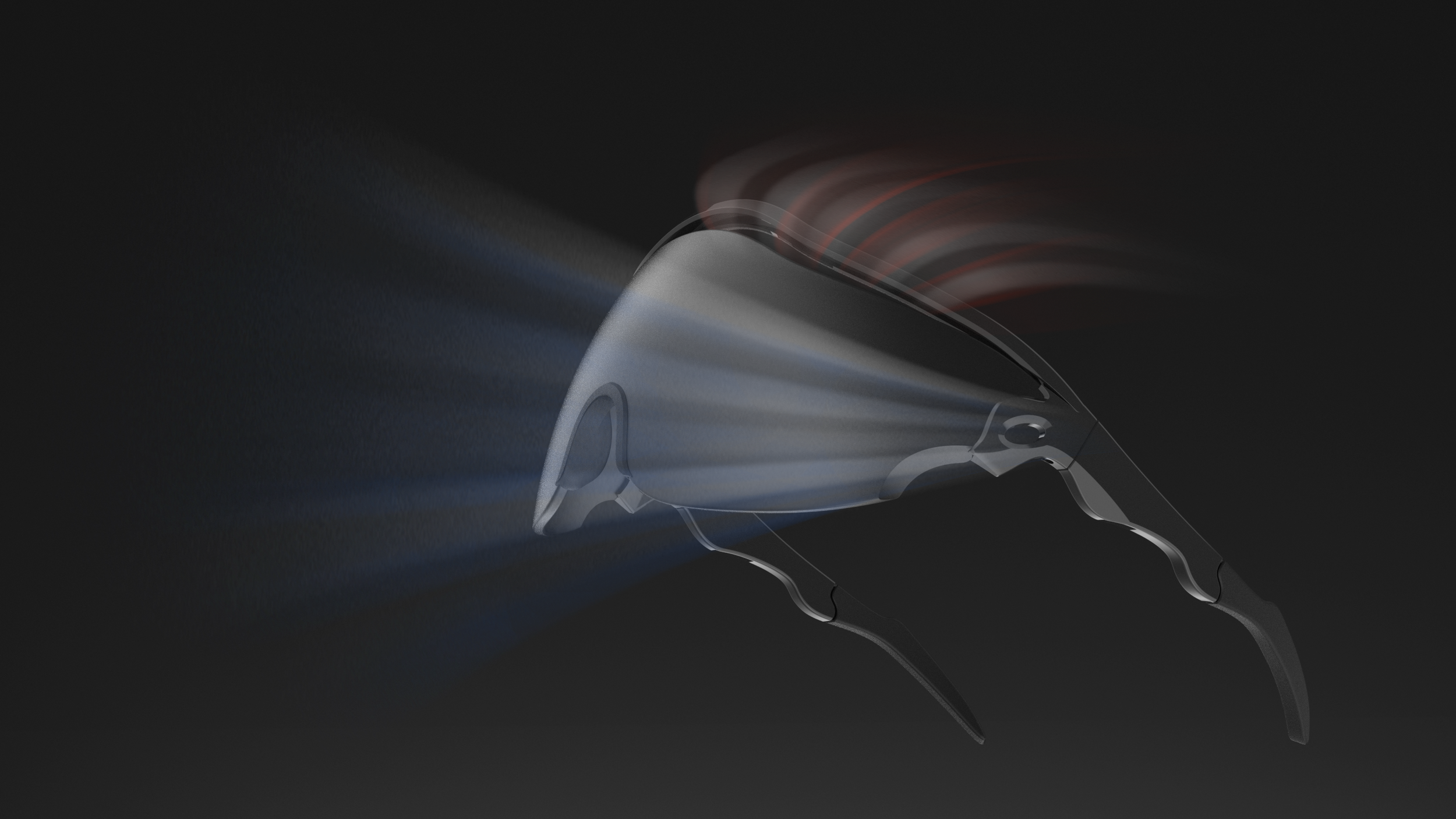
Redefining sports eyewear for peak performance, this innovative design delivers uncompromised clarity in every condition. Engineered with precision to resist fog and repel water, it ensures sharp vision through rain, sweat, and extreme environments. Built for athletes who demand reliability, it combines advanced technology with sleek design to perform flawlessly in the harshest conditions. The frame integrates Nitinol a shape-memory alloy utilized by NASA to dynamically adjust and create controlled airflow, enhancing ventilation without compromising structural integrity.
YEAR
2025 11-week project
DESIGN GOAL
DESIGN SPORT GLASSES THAT PERFORM IN ANY ENVIRONMENT
SOLO PROJECT
Completed independently from research through final concept.
DESIGN PROMPT
Create a sustainably responsible product that expresses a unique and purposeful form.
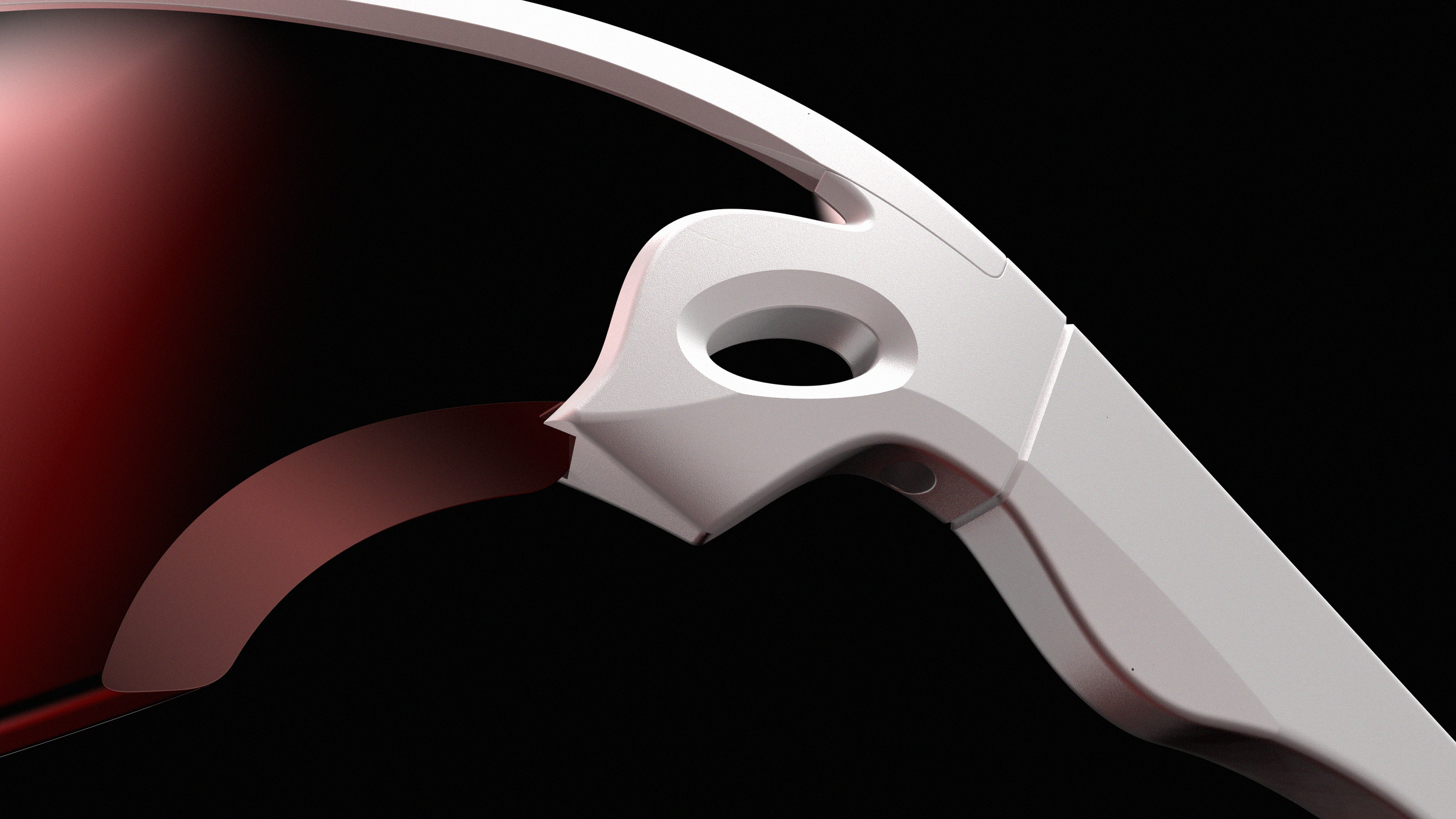
Developed sports eyewear from concept to completion, leading every design decision with a focus on clarity, durability, and precision performance. From advanced anti-fog technology to water-repellent coatings and ergonomic fit, each detail was engineered to withstand the harshest conditions. The result is a refined, high-performance design that blends innovation, resilience, and sleek athletic style.
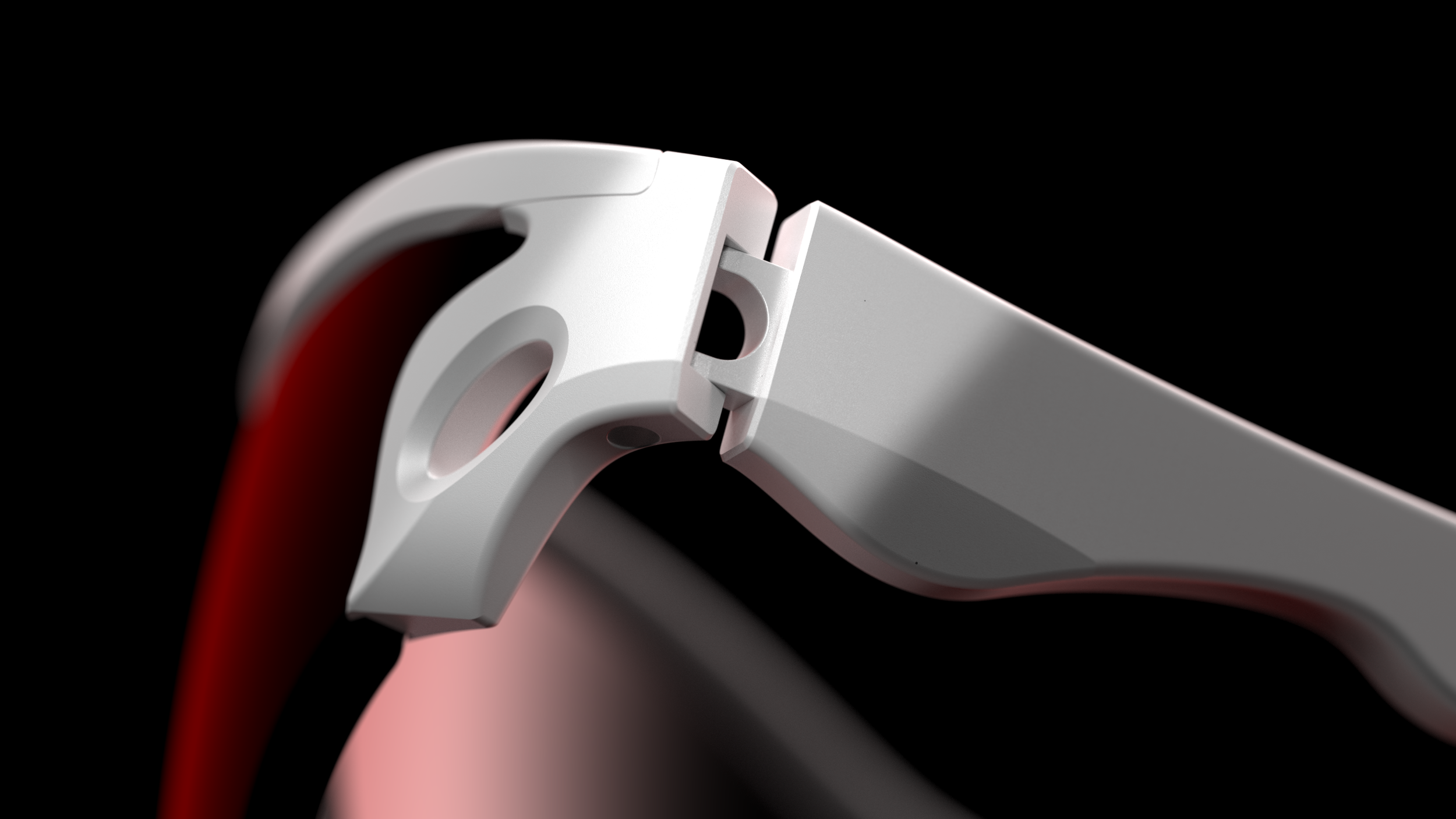
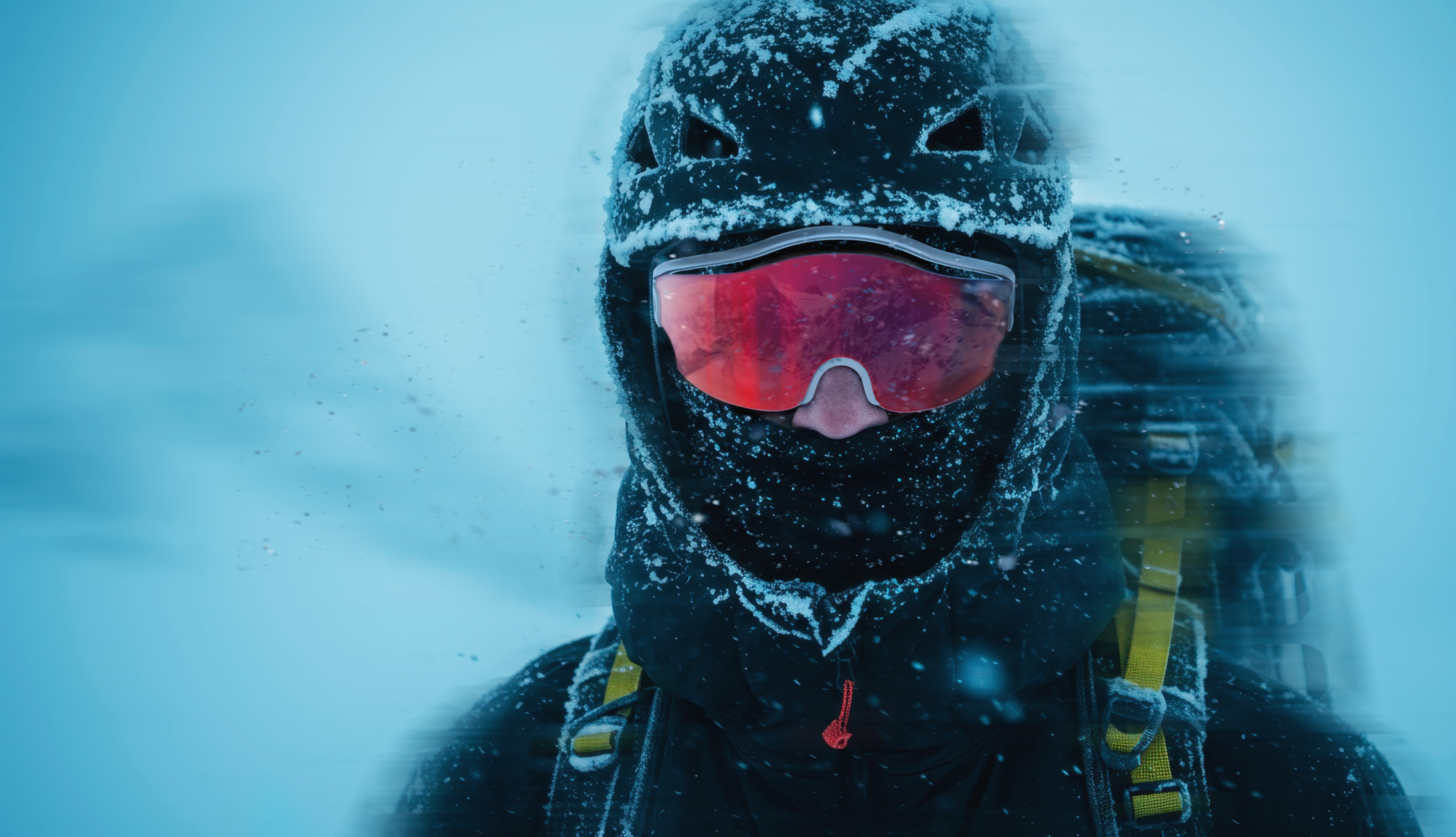

Experience max clarity
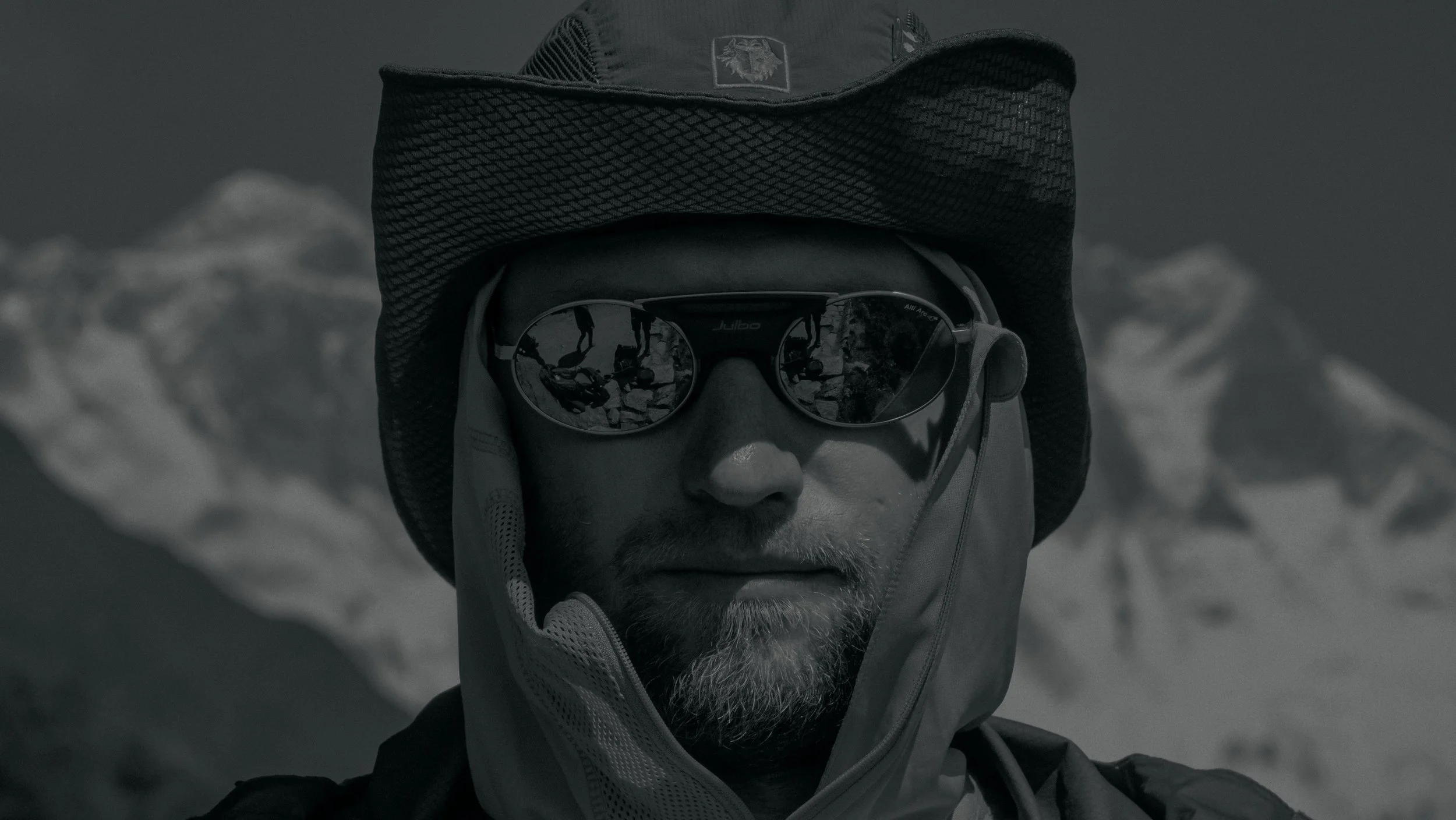
Sports eyewear struggles to maintain clarity during intense activity in cold and wet environments, leading to fogging.
Innovation
Nitinol
Nitinol is a smart metal that flexes and returns to its original shape when heated, even at body temperature. It’s used in bend-resistant eyeglass frames, shape changing mechanisms, and NASA spacecraft components for its reliability and resilience.
Indirect airflow is essential to preventing lens fog. Instead of directing air straight onto the lens, the ventilation system allows air to bounce off an internal surface first, diffusing moisture and reducing temperature contrast. This controlled circulation minimizes condensation while maintaining clear, comfortable vision.
SIDE VENTS
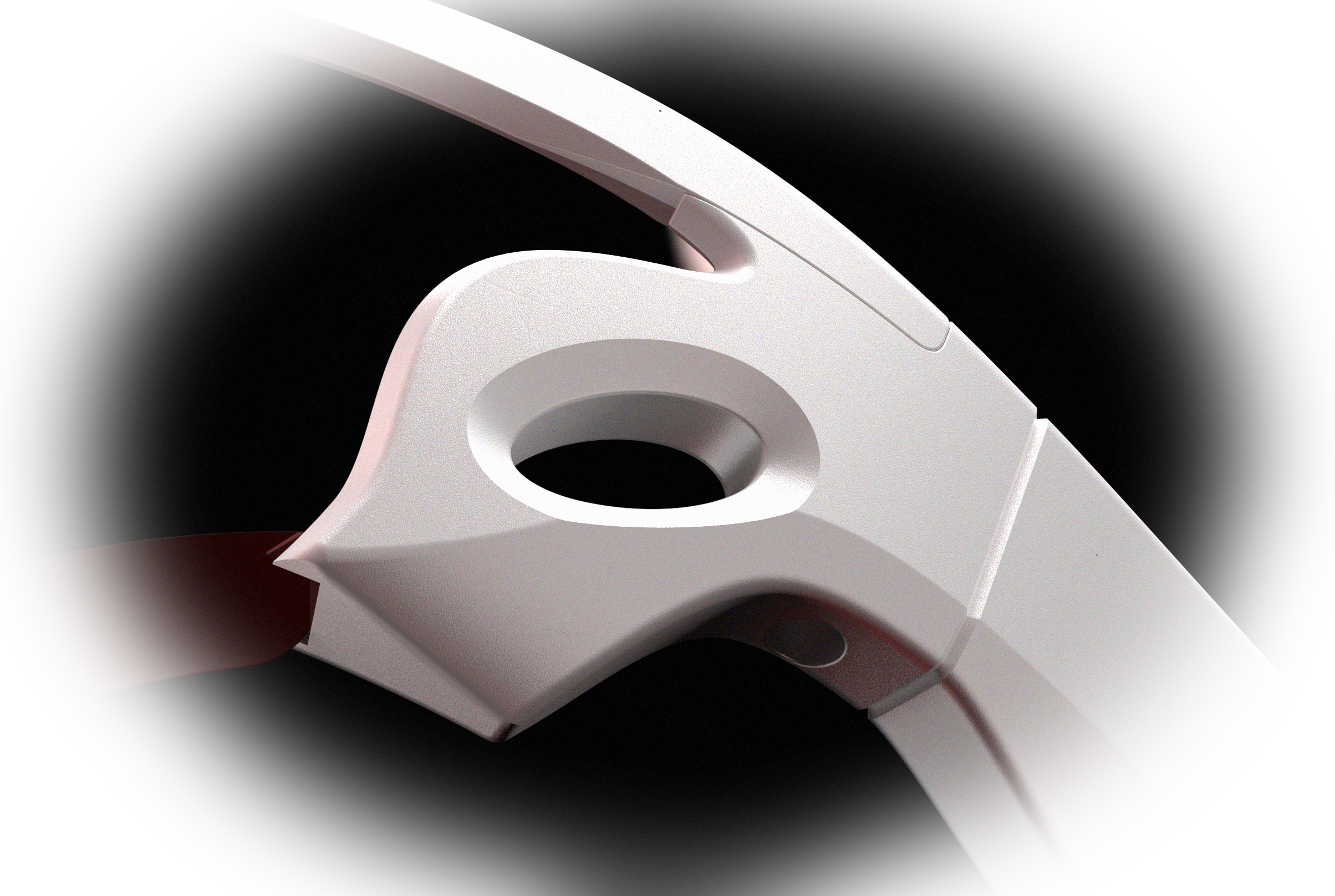
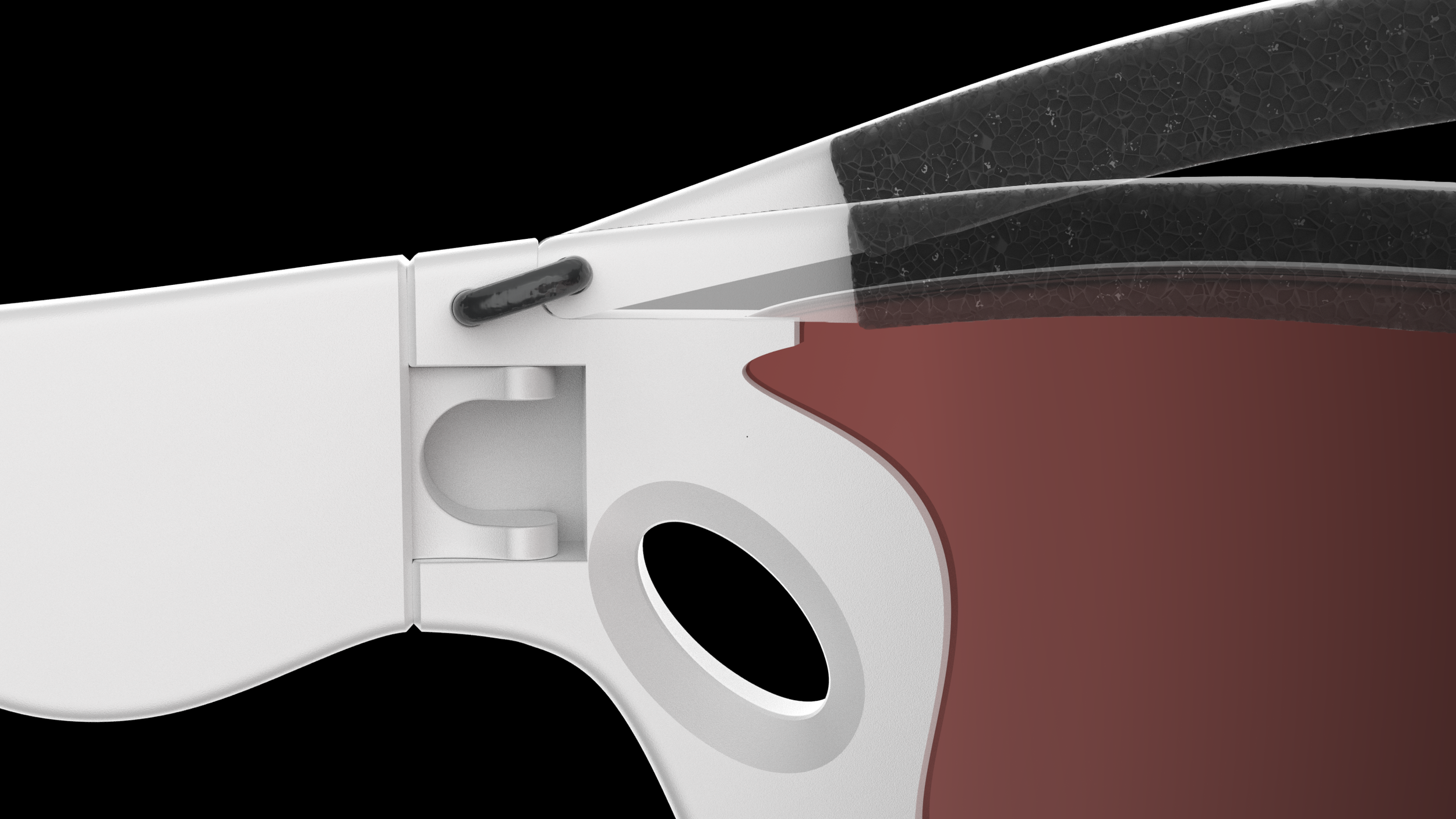
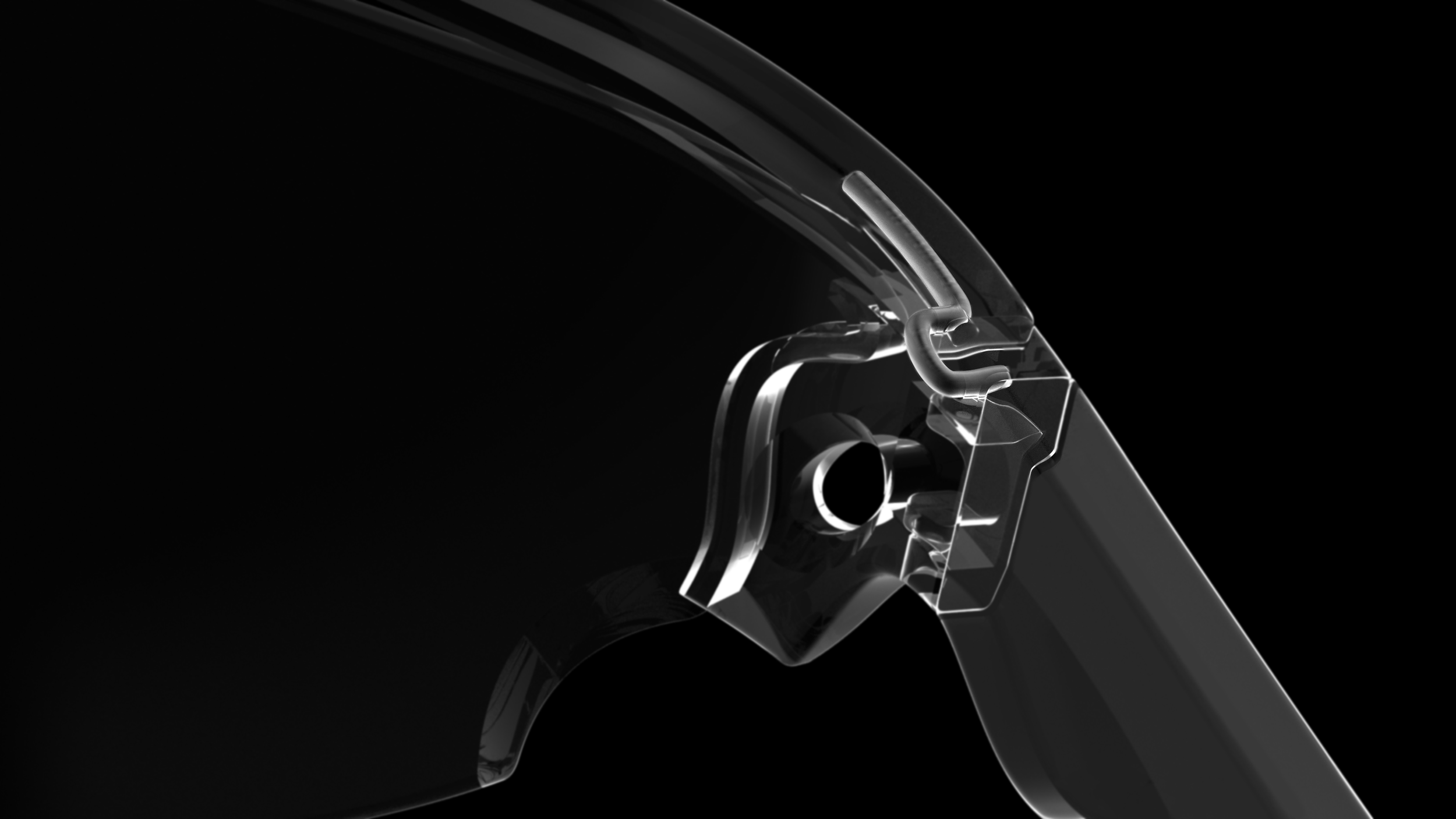
The upper frame is engineered to respond to elevated body temperature. When skin temperature reaches approximately 30–40°C (90–100°F) a range associated with intense physical exertion, the frame flexes upward to increase ventilation. As temperature drops below this threshold, the structure gradually returns to its original position, closing to restore coverage and stability.
How does it works?
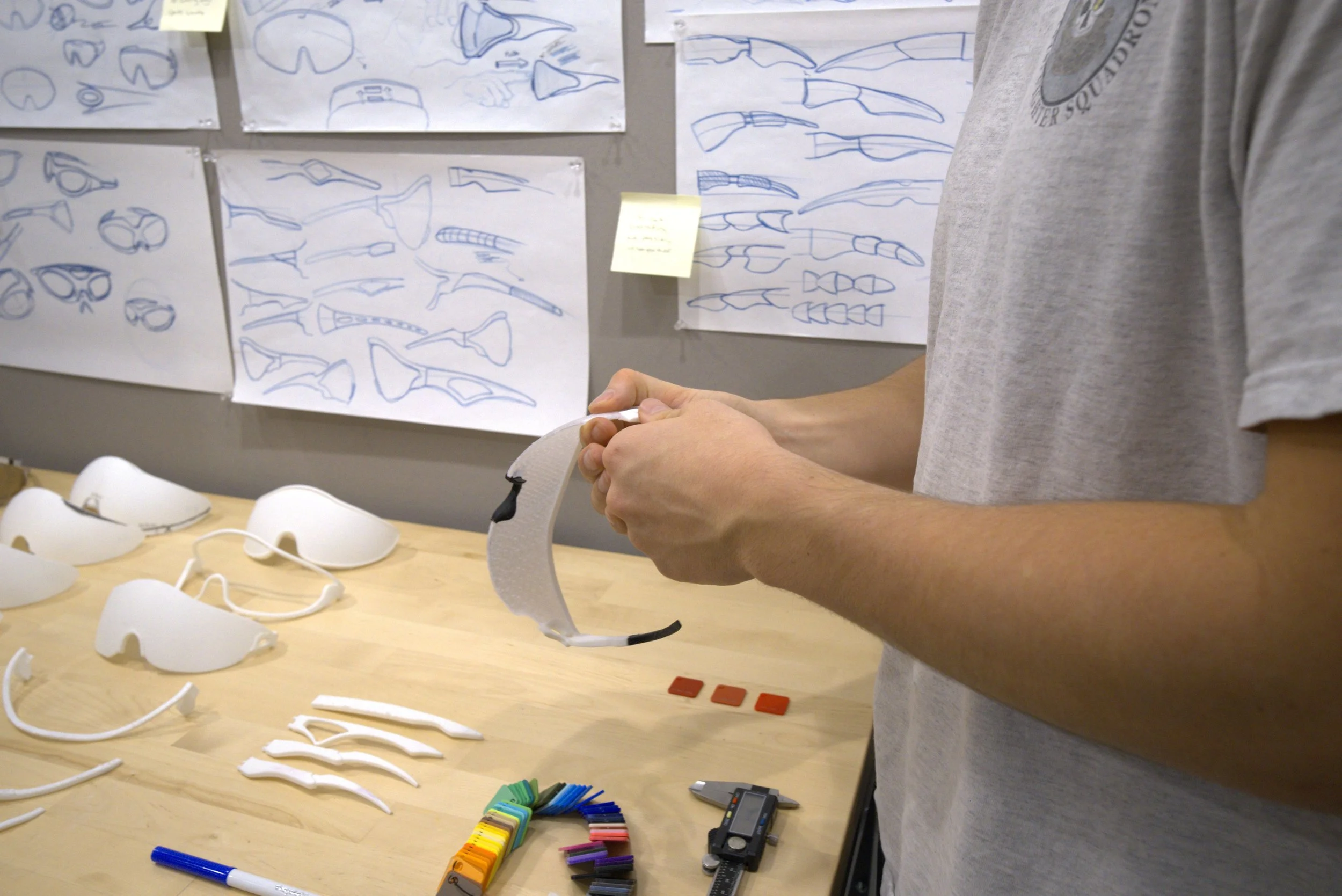
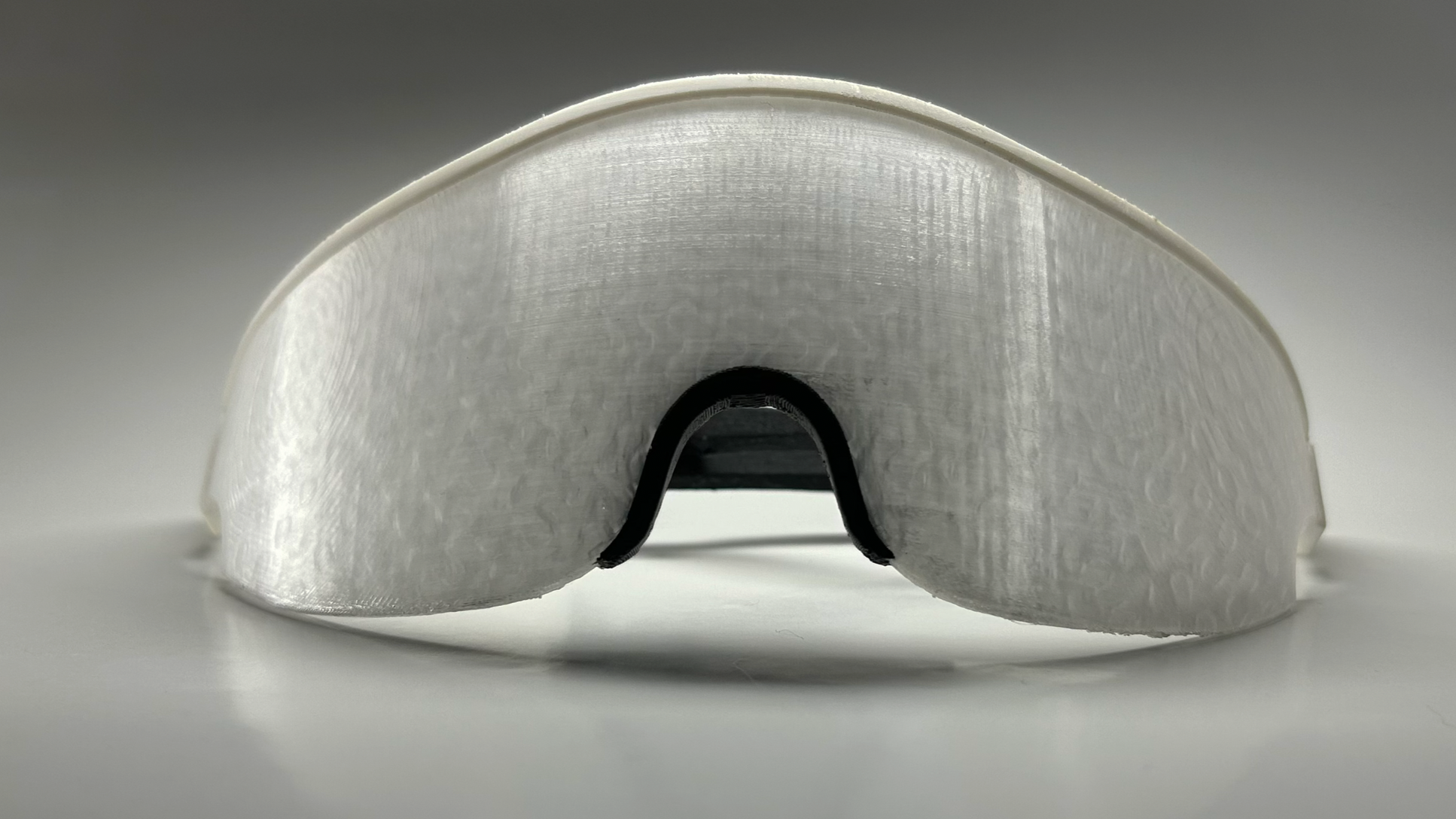
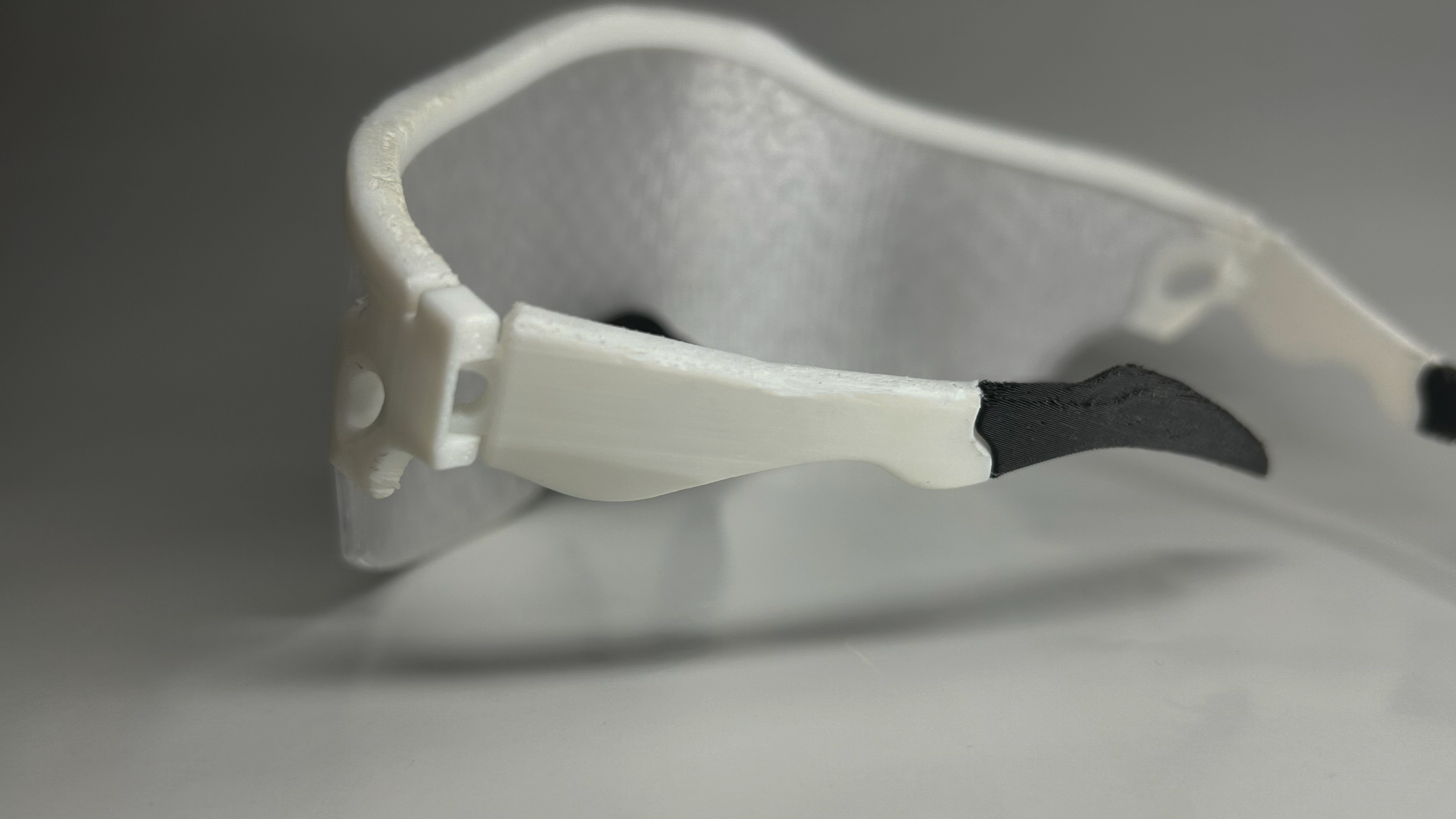
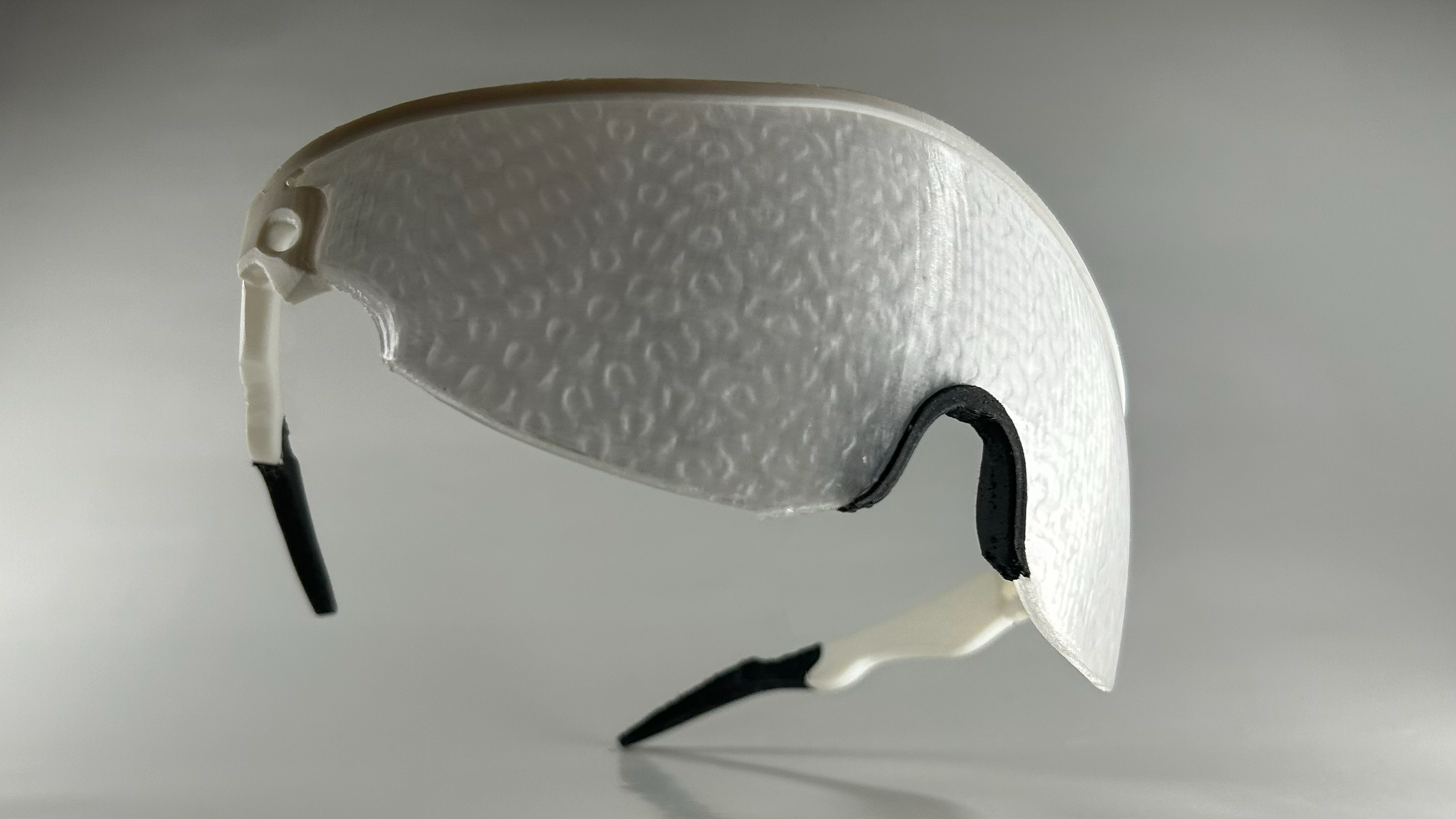
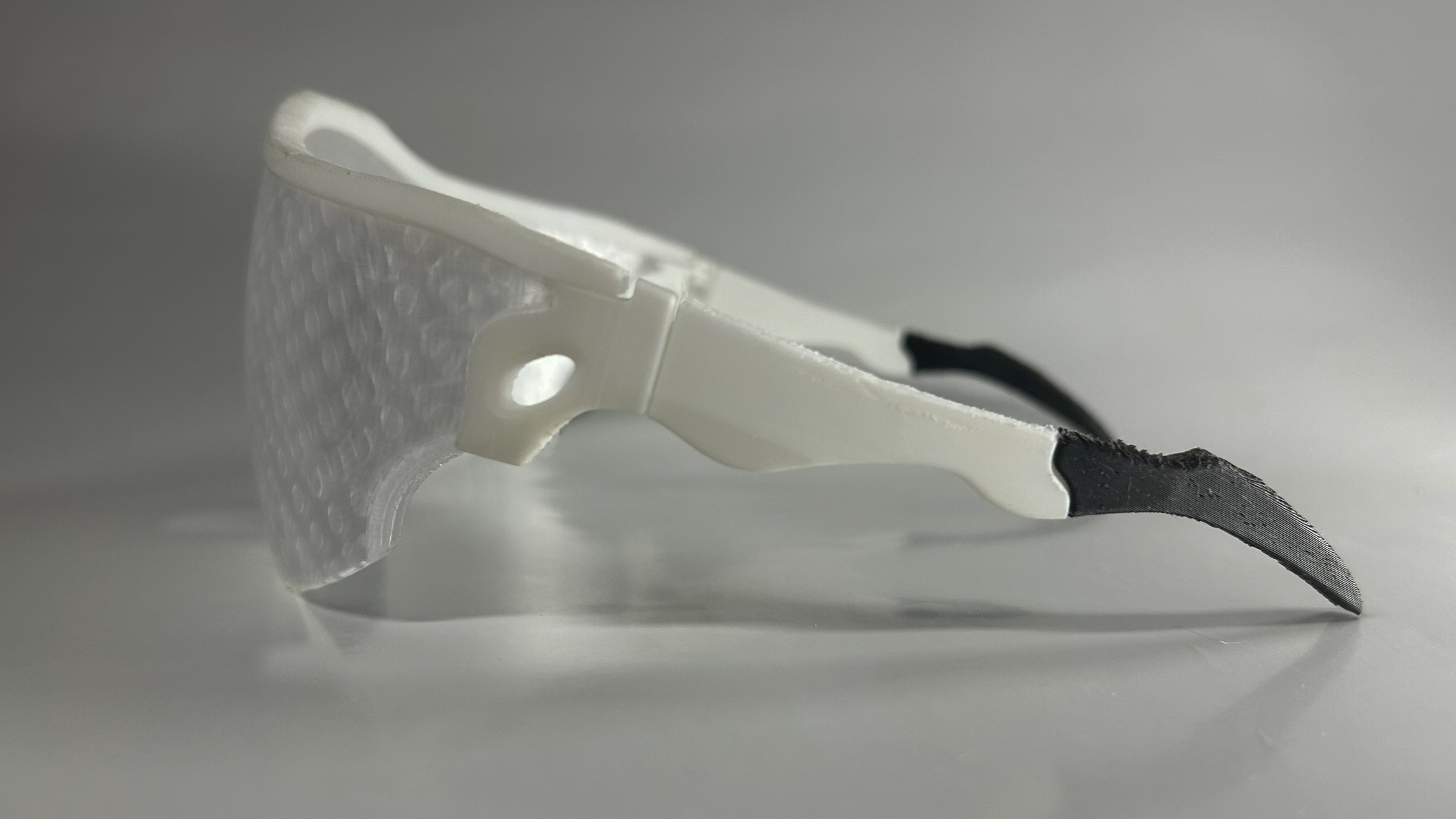
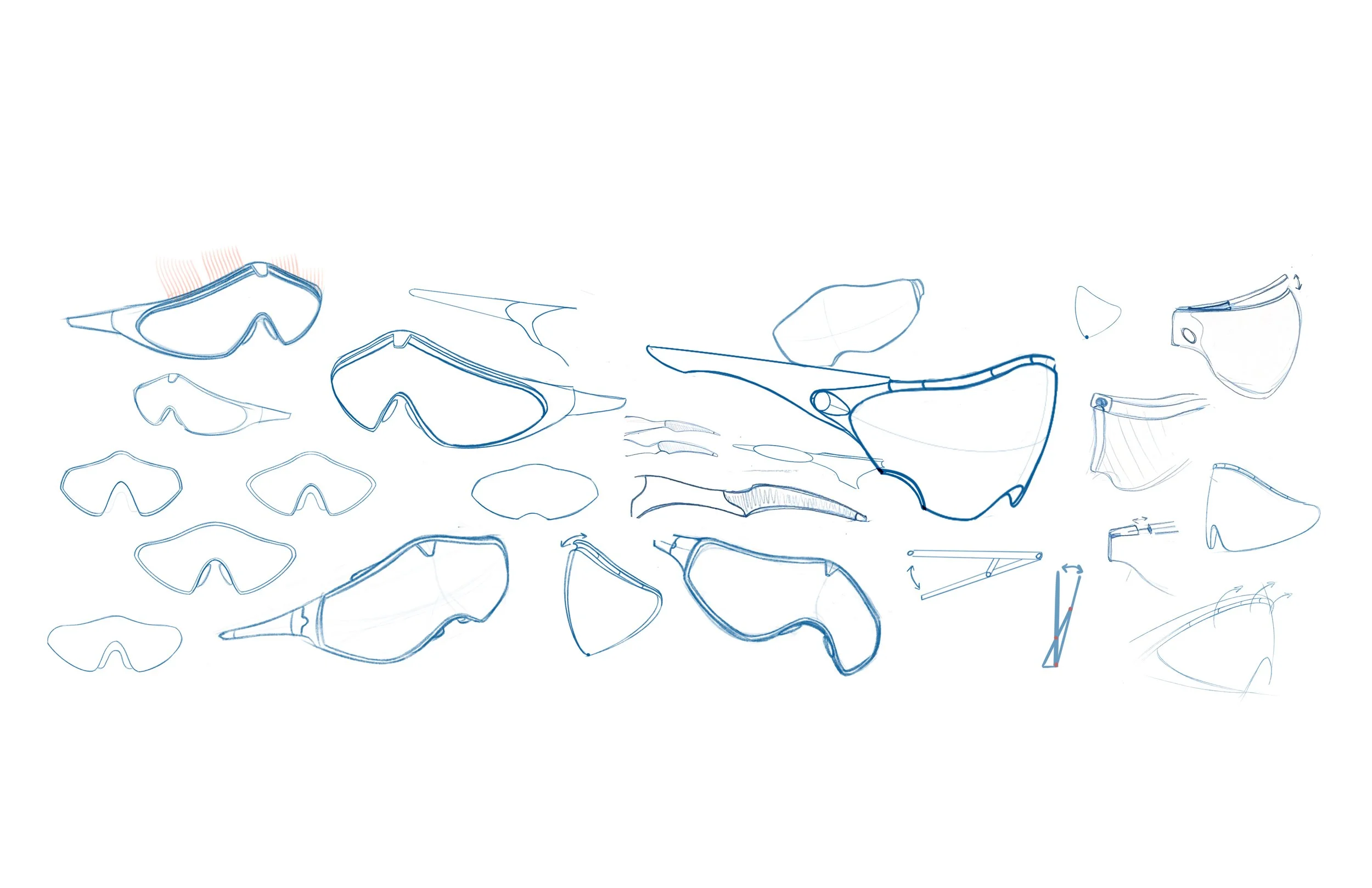
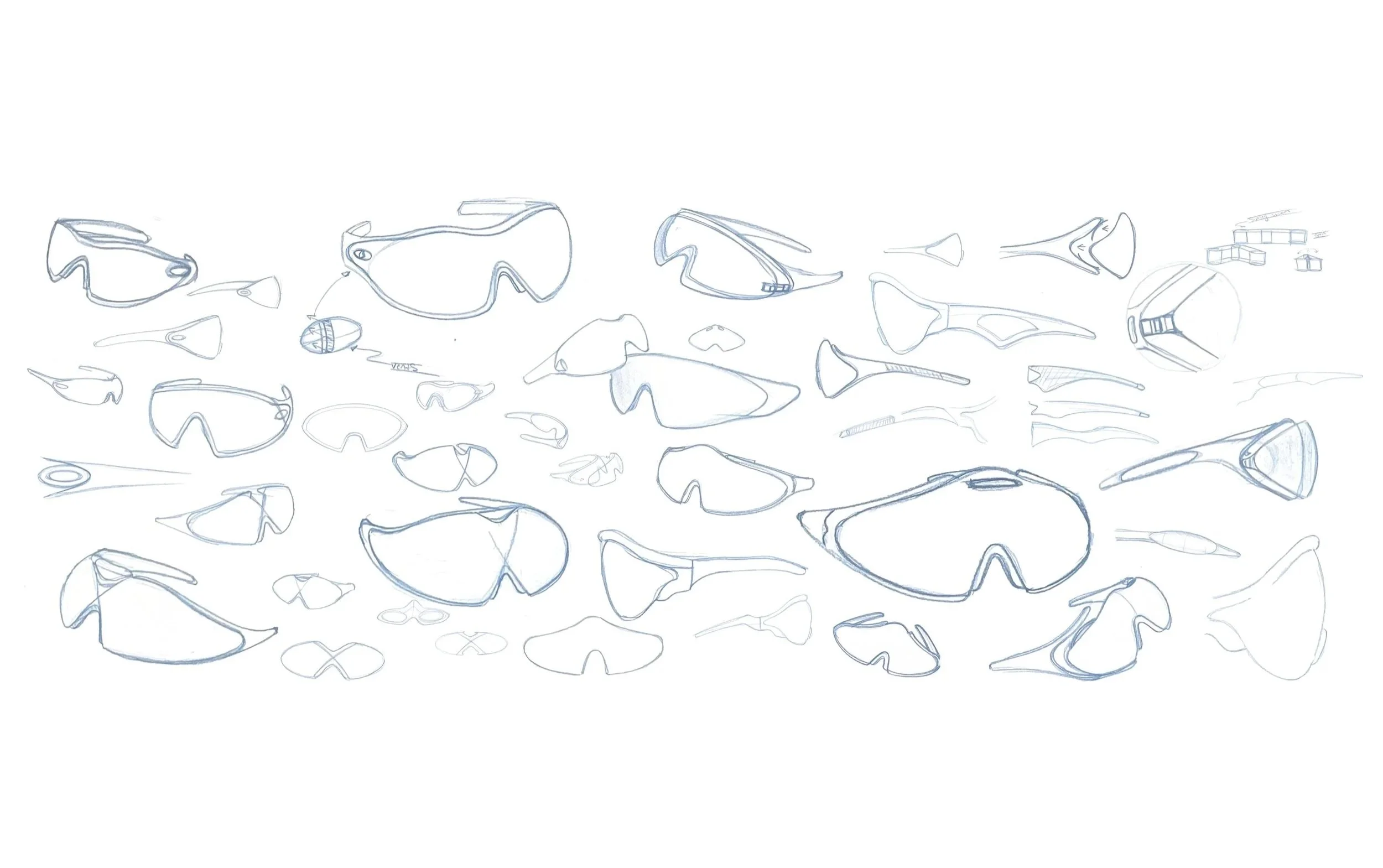
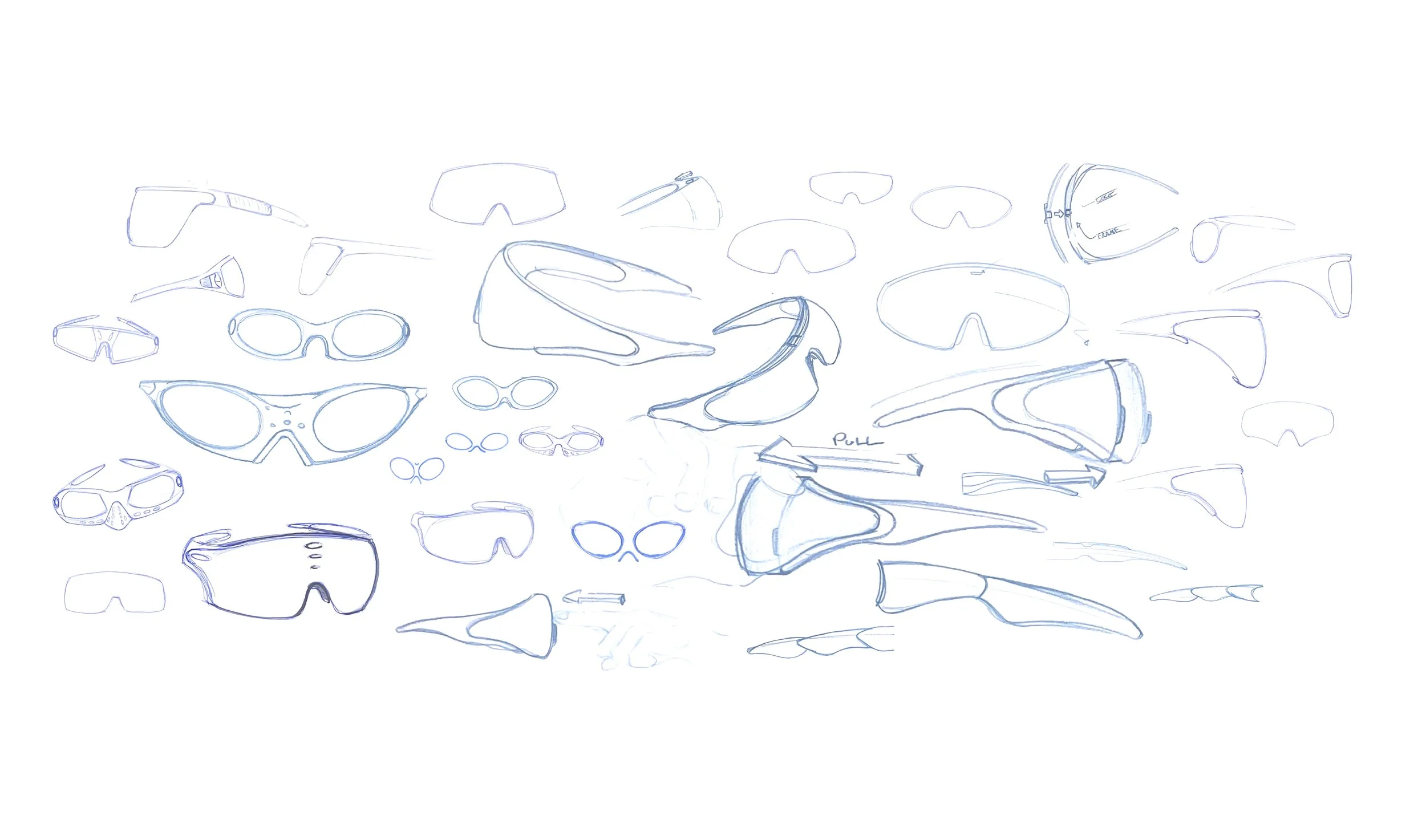
Progress on this project came from constant model making. Testing each iteration against my face helped dial in tolerances, proportions, and fit while refining the overall form. in the end I made over a dozen models to get to the final form
MODELS



“When you work hard, your skin heats up and sweats. That moisture hits the cooler lenses, condenses, and suddenly you can’t see.”
— Outsideonline.com
“When it’s drizzly and windy, my glasses fog up and I sometimes just pocket them. Spit on the lenses helps for a while.”
— UKClimbing.com
Outside conditions have a big effect on fogging
Body temp and moisture are another factor in fogging the glasses
Most of the time people would rather not wear glasses instead of having to keep fixing it
FINDINGS
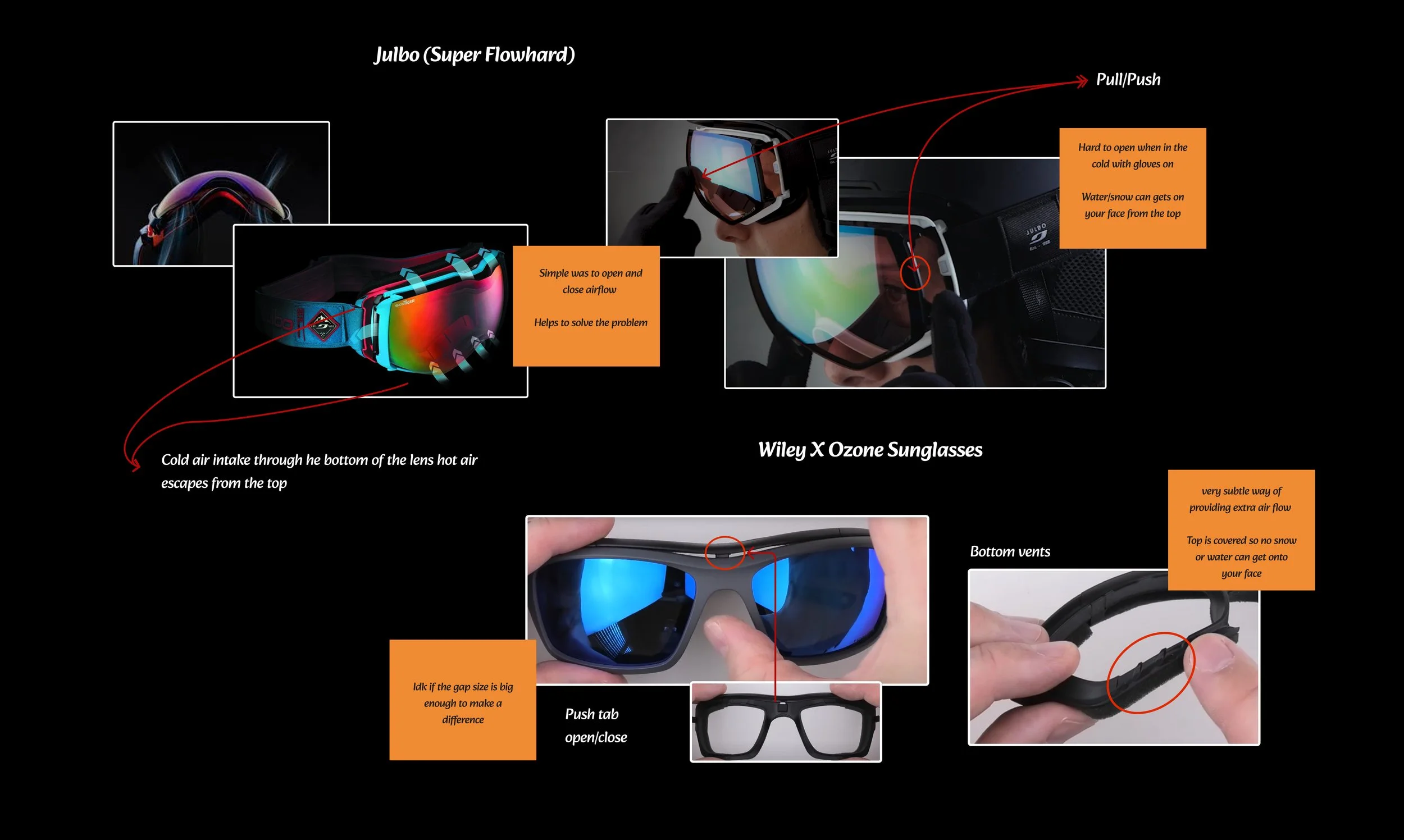
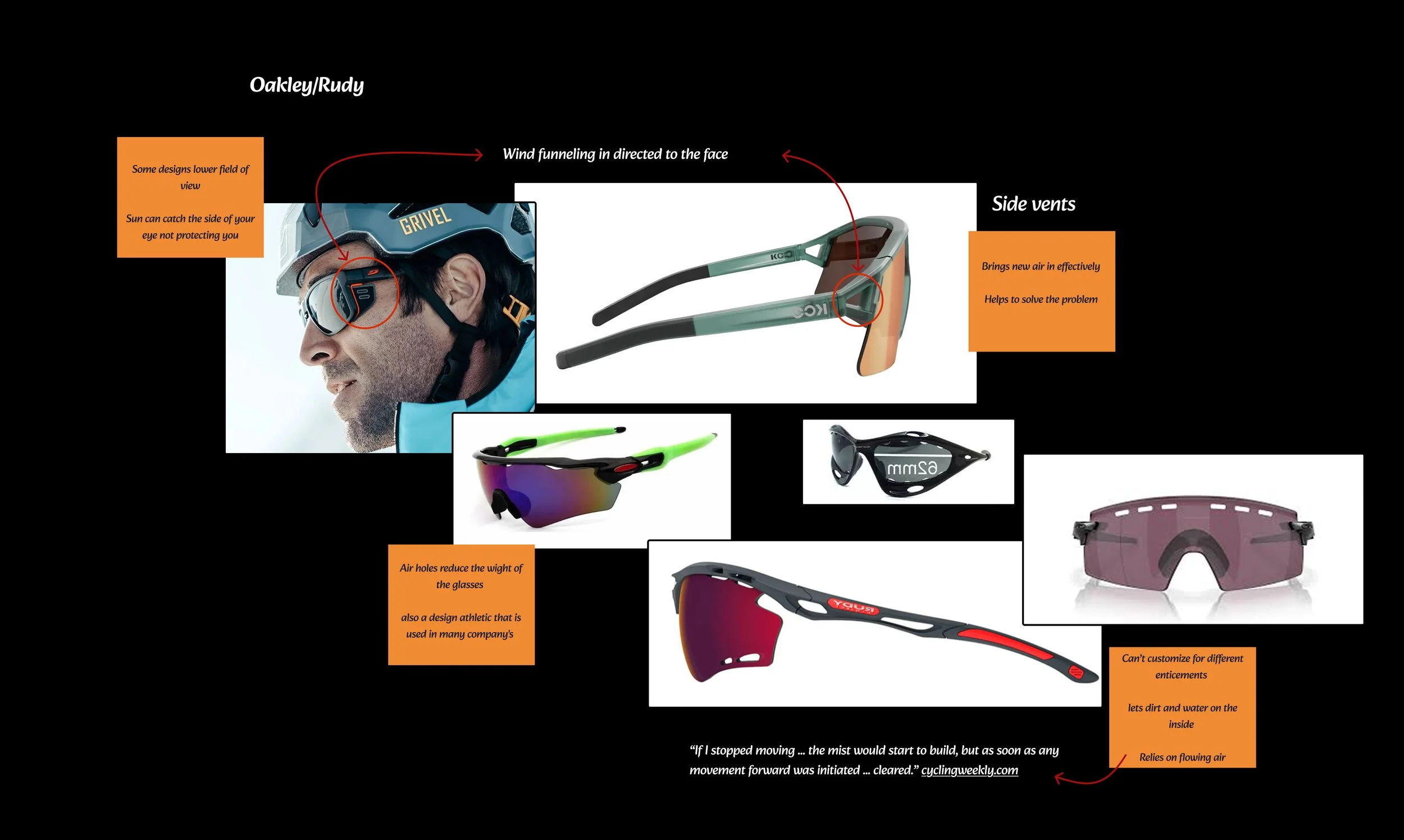
EXISTING SOLUTIONS
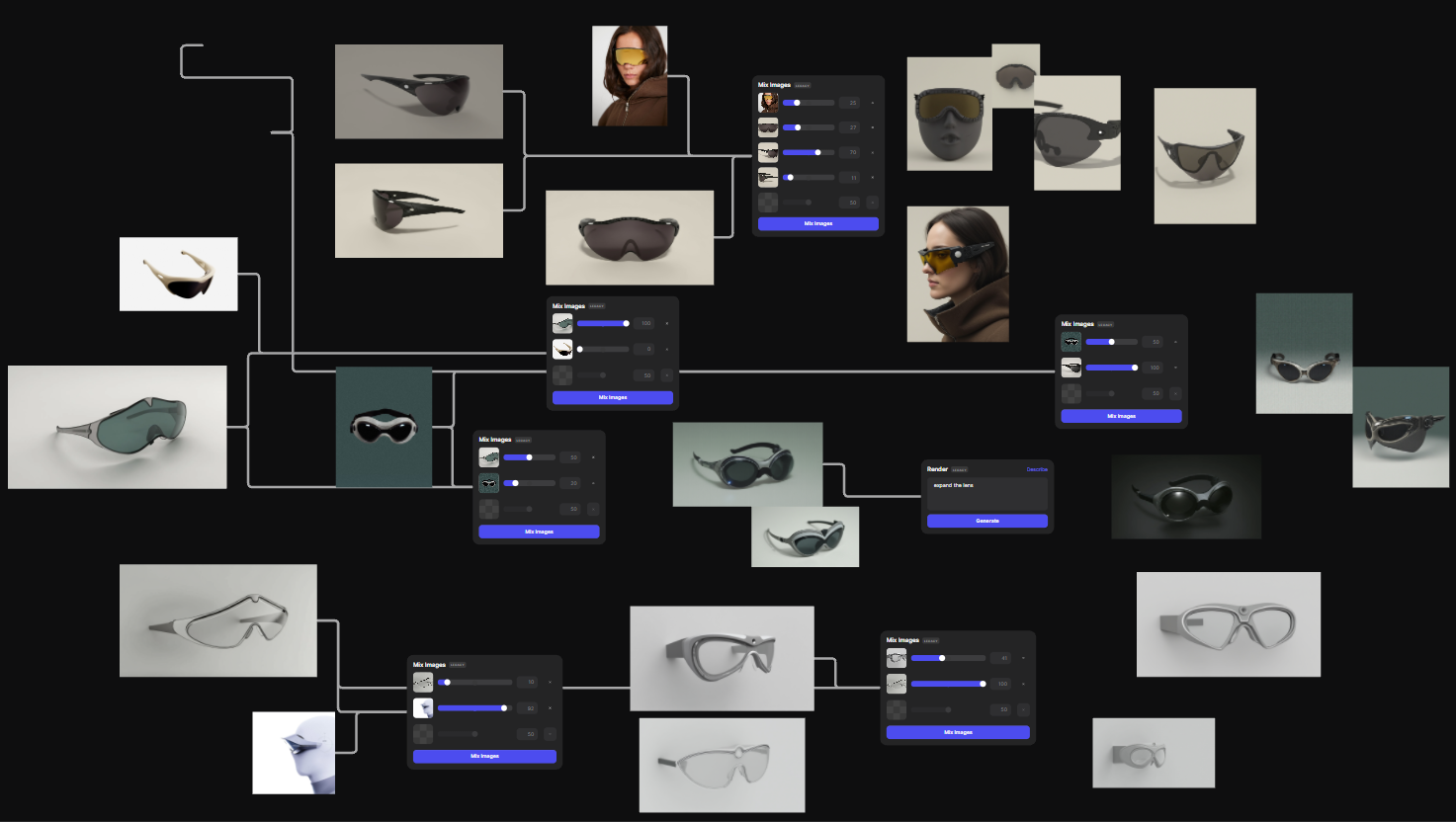
AI-WORK FLOW